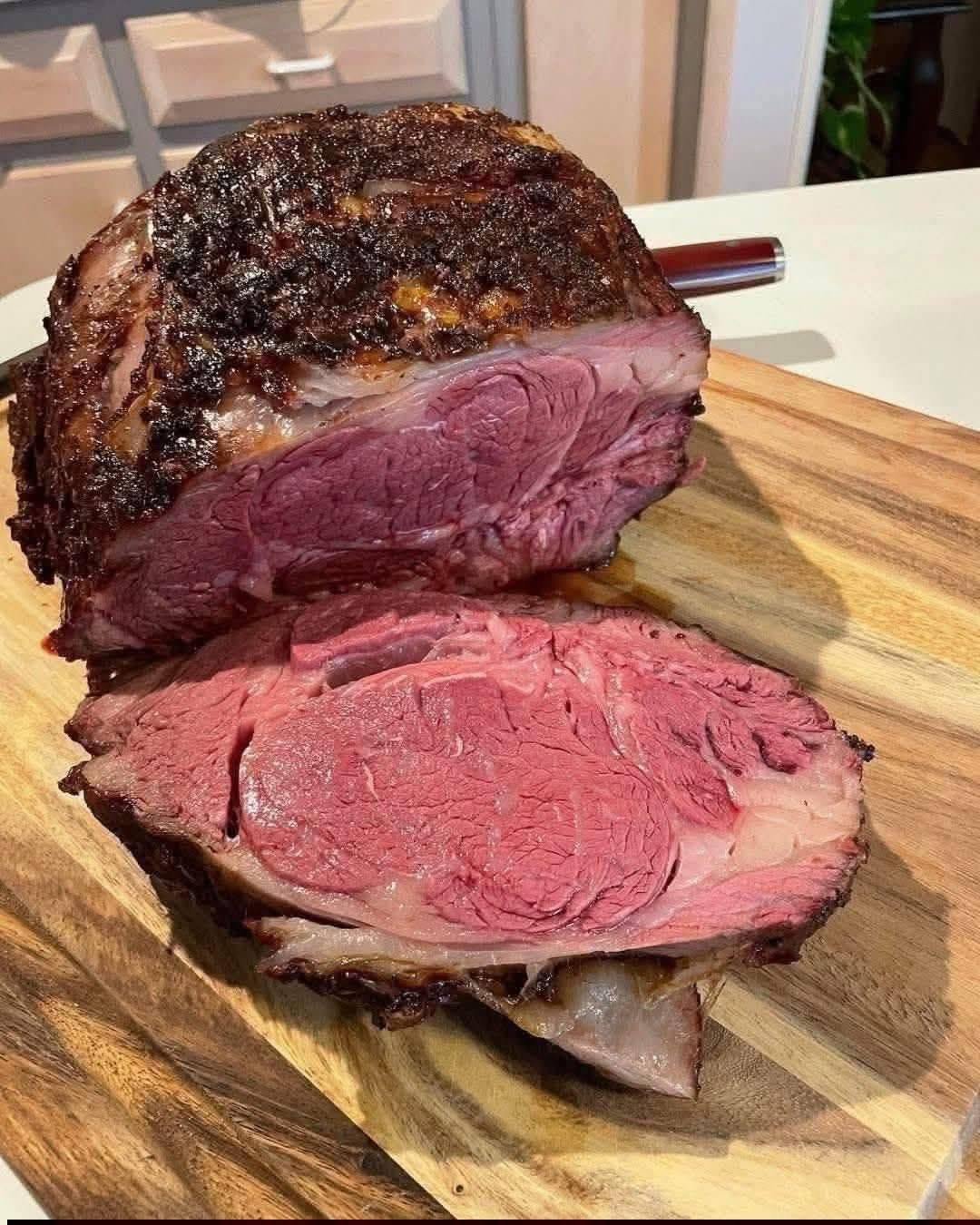
Prime Rib Roast: The Ultimate Guide to a Juicy, Flavorful Feast
Few dishes are as impressive, indulgent, or satisfying as a prime rib roast. Known for its marbling, tenderness, and rich flavor, prime rib is the centerpiece of holiday feasts, special occasions, and celebratory dinners. A perfectly cooked prime rib is the culmination of careful selection, seasoning, and precise cooking technique. This guide will take you through everything you need to know—from choosing the right cut to serving it like a pro.
1. Choosing the Right Prime Rib Roast
Selecting a quality prime rib is the first step toward an unforgettable meal.
1.1 USDA Grades
Prime: The highest quality, heavily marbled, tender, and flavorful. Ideal for special occasions.
Choice: Slightly less marbled but still very good. May require careful cooking to maintain juiciness.
Select: Leaner, less tender, often less expensive. Can be used if budget is limited, but careful monitoring is needed.
1.2 Bone-In vs. Boneless
Bone-In (Standing Rib Roast): The bone adds flavor, helps retain moisture, and creates an impressive presentation. Typically 2–7 ribs.
Boneless: Easier to carve and store, but cooks slightly faster and requires careful attention to avoid drying out.
1.3 Size
General rule: 1 pound per person for generous portions.
A 4–5 rib roast will serve 6–8 people comfortably.
1.4 Marbling
Look for visible streaks of white fat interspersed with the meat.
Marbling is essential for flavor, juiciness, and tenderness.
2. Preparing the Prime Rib
2.1 Thawing
If your roast is frozen, thaw it completely in the refrigerator, which may take 24–48 hours depending on size.
Avoid thawing at room temperature, as it can lead to uneven cooking and bacterial growth.
2.2 Bringing to Room Temperature
Remove the roast from the refrigerator about 2 hours before cooking.
This ensures even cooking from edge to center.
2.3 Trimming
Trim excess fat to about ¼ inch thickness.
Leave a thin fat cap to enhance flavor and create a golden crust.
3. Seasoning the Roast
Seasoning is critical to flavor. A simple rub is often best:
3.1 Classic Seasoning Rub
2–3 tablespoons kosher salt
1–2 tablespoons freshly ground black pepper
1–2 teaspoons garlic powder
see continuation on the next page