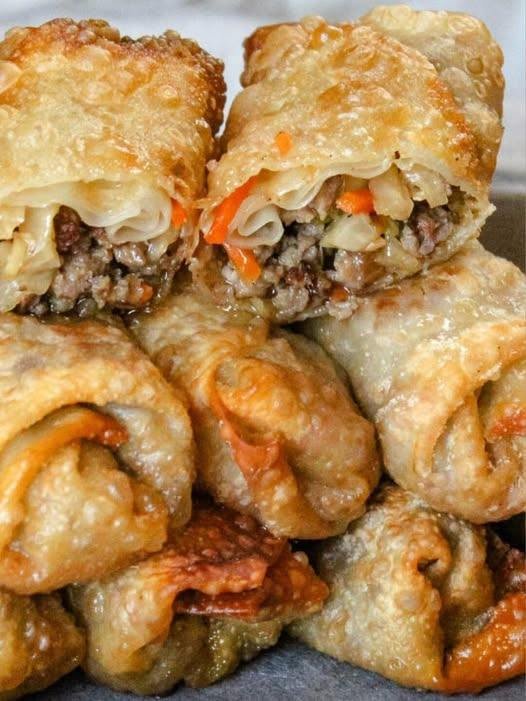
Easy Homemade Chinese Egg Rolls: A Complete Guide to Restaurant-Quality Results
There’s something incredibly satisfying about biting into a perfectly crispy egg roll with a savory, flavorful filling. While ordering takeout is convenient, making Chinese egg rolls at home is easier than you might think and delivers superior taste and freshness. This comprehensive guide will walk you through everything you need to know to create restaurant-quality egg rolls in your own kitchen.
Why Make Egg Rolls at Home?
Homemade egg rolls offer several advantages over their restaurant counterparts. You have complete control over the ingredients, allowing you to adjust flavors to your preference and ensure freshness. The cost savings are significant when making larger batches, and you can customize fillings to accommodate dietary restrictions or personal tastes. Plus, the process is genuinely enjoyable and makes for a fun cooking project.
Essential Ingredients for Perfect Egg Rolls
For the Filling
The foundation of any great egg roll lies in its filling. You’ll need finely shredded green cabbage (about 3 cups), which provides the classic texture and mild flavor. Shredded carrots (1 cup) add sweetness and color, while bean sprouts (1 cup) contribute a pleasant crunch. Ground pork (1 pound) is traditional, though you can substitute ground chicken, turkey, or even crumbled tofu for a vegetarian version.
Aromatics are crucial for authentic flavor. Fresh ginger (2 tablespoons, minced) and garlic (4 cloves, minced) create the aromatic base. Green onions (4 stalks, thinly sliced) add a mild onion flavor that complements rather than overwhelms.
For seasoning, you’ll need soy sauce (3 tablespoons), sesame oil (1 tablespoon), oyster sauce (2 tablespoons), and a pinch of white pepper. These ingredients combine to create that distinctive savory-sweet flavor profile.
For Assembly
Egg roll wrappers are available in most supermarkets in the refrigerated or frozen Asian food section. You’ll need about 20 wrappers for a standard batch. Keep a small bowl of water nearby for sealing the wrappers, and have cornstarch ready for dusting if wrappers become sticky.
For Frying
Vegetable oil, canola oil, or peanut oil works best for frying. You’ll need enough to fill your pot or deep fryer to a depth of about 3 inches, ensuring the egg rolls can be fully submerged.
Step-by-Step Preparation Guide
Preparing the Filling
Start by heating 2 tablespoons of vegetable oil in a large skillet or wok over medium-high heat. Once the oil shimmers, add the ground pork, breaking it apart with a wooden spoon. Cook until the meat is browned and no longer pink, approximately 5 to 7 minutes. Remove the cooked pork and set it aside, leaving about 1 tablespoon of fat in the pan.
In the same pan, add the minced ginger and garlic, stirring constantly for about 30 seconds until fragrant. Be careful not to burn them. Add the shredded cabbage and carrots, stir-frying for 3 to 4 minutes until they begin to soften but still retain some crunch.
Return the cooked pork to the pan along with the bean sprouts. Pour in the soy sauce, oyster sauce, and sesame oil, tossing everything together to combine evenly. Sprinkle with white pepper and add the green onions, stirring for another minute. The filling should be moist but not watery.
Transfer the filling to a large plate or baking sheet and spread it out to cool completely. This step is crucial because hot filling will make the wrappers soggy and difficult to work with. You can refrigerate the filling to speed up this process.
Wrapping Technique
Proper wrapping technique ensures your egg rolls stay sealed during frying. Place an egg roll wrapper on a clean, dry surface with one corner pointing toward you, creating a diamond shape. Spoon about 2 to 3 tablespoons of filling onto the wrapper, forming a horizontal line about 2 inches from the bottom corner.
Fold the bottom corner up over the filling, tucking it tightly underneath. This initial fold should be snug to prevent air pockets. Fold in the left and right corners toward the center, creating an envelope shape. Continue rolling away from you, keeping the roll tight and compact.
When you reach the top corner, dip your finger in water and moisten the edge of the wrapper. Press firmly to seal. The egg roll should be uniform in thickness and tightly sealed at all points. Place the finished egg roll seam-side down on a baking sheet and cover with a damp towel to prevent drying while you prepare the remaining rolls.
Cooking Methods
Deep Frying (Traditional Method)
Deep frying produces the crispiest, most authentic texture. Heat your oil in a deep pot or fryer to 350°F (175°C). Use a thermometer to maintain accurate temperature, as oil that’s too cool will result in greasy egg rolls, while oil that’s too hot will burn the outside before cooking the inside.
Carefully lower 3 to 4 egg rolls into the hot oil, being careful not to overcrowd the pot. Fry for 3 to 4 minutes, turning occasionally with tongs or a slotted spoon, until golden brown on all sides. The egg rolls should be deep golden and crispy.
Remove the egg rolls and drain them on a wire rack set over a baking sheet or on paper towels. Allow the oil to return to temperature before frying the next batch. This ensures consistent results across all your egg rolls.